
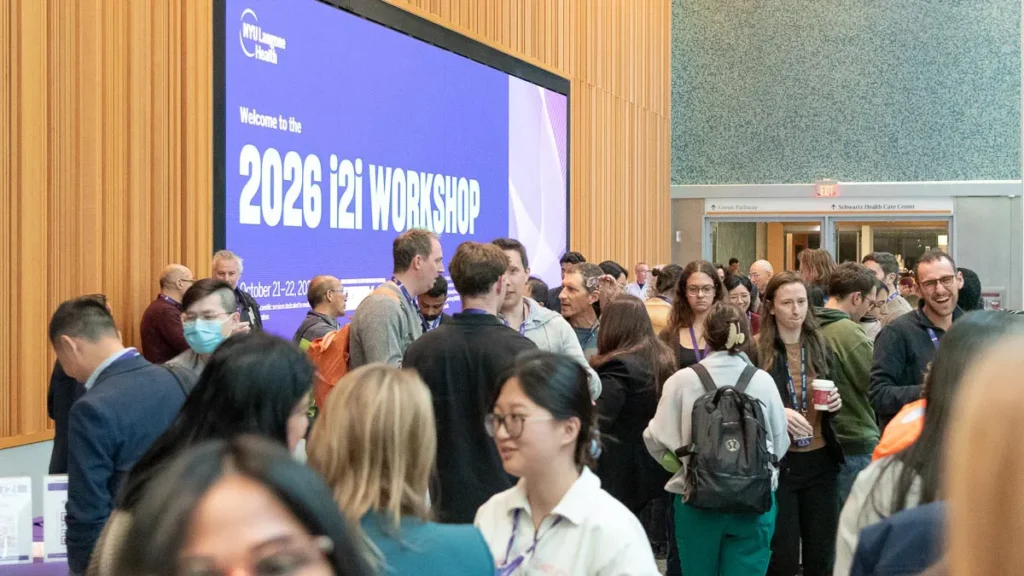
The fourth edition of the i2i Workshop invited participants to reflect on the relationship between machine learning and human learning in biomedical imaging research.
Tag: Artificial Intelligence

Metrics of image quality show that abnormalities—including pathologies—deteriorate more than do normal-appearing areas on brain MRIs reconstructed with deep learning models at acceleration factors of six and up.
In NYU Langone’s first DREAMx Challenge, teams developed and tested AI algorithms designed to predict genetic risk for breast cancer, coronary artery disease, and type 2 diabetes years before symptoms appear.
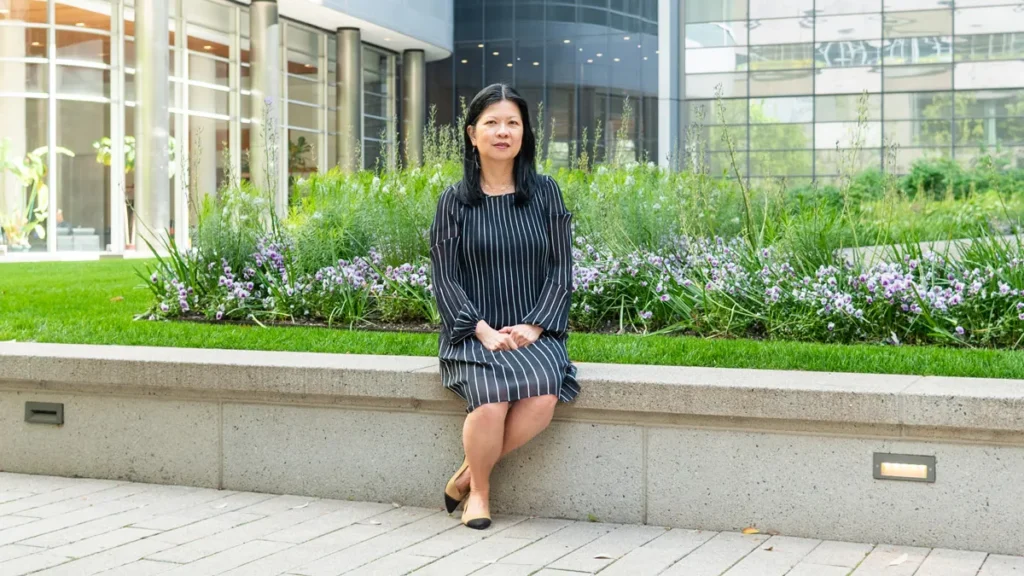
Linda Moy, radiologist and researcher whose work spans breast imaging and artificial intelligence, talks about patient-centric radiology, AI systems in clinical practice, and the field’s rising environmental awareness.
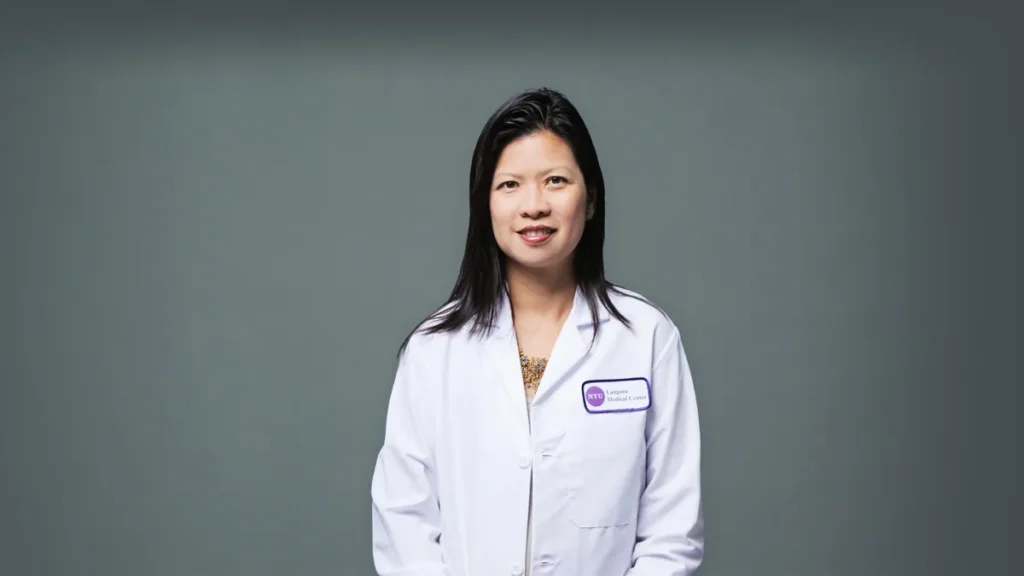
Congratulations to Linda Moy on becoming the 2026–2027 vice president–elect of the International Society for Magnetic Resonance in Medicine.
Imaging researchers at NYU Langone have used deep learning to turn noise against itself in order to improve low-field MRI. They’re after something much bigger than sharper images.
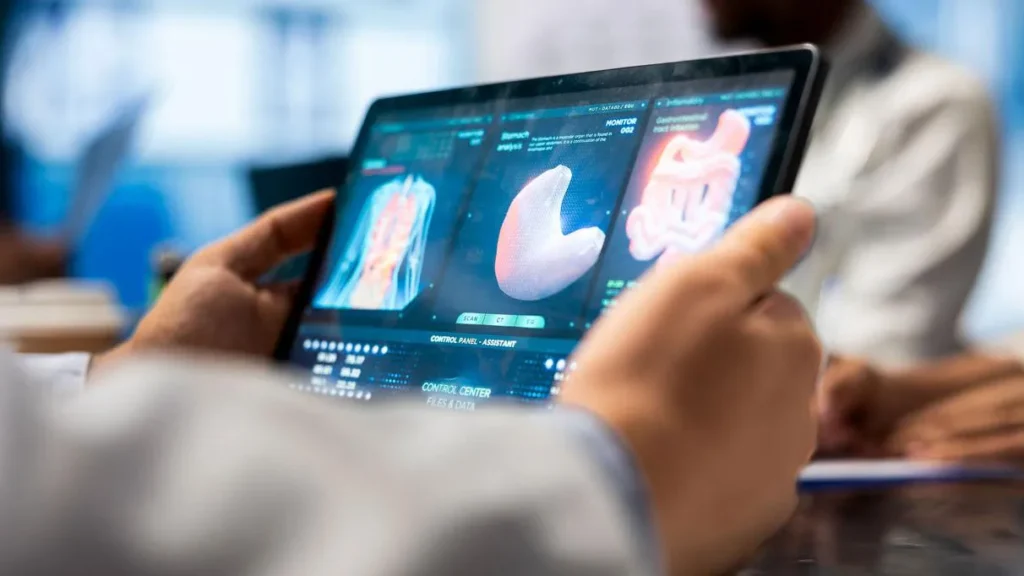
Computed tomography (CT) scans of the chest, abdomen, and spine, taken originally to detect problems such as kidney stones or growths on the lungs, can be repurposed through artificial intelligence (AI) to catch signs of bone loss, a new study shows.
Imaging scientists at NYU Langone have created an AI model that assesses MRI data during the exam to inform the remainder of the imaging session.
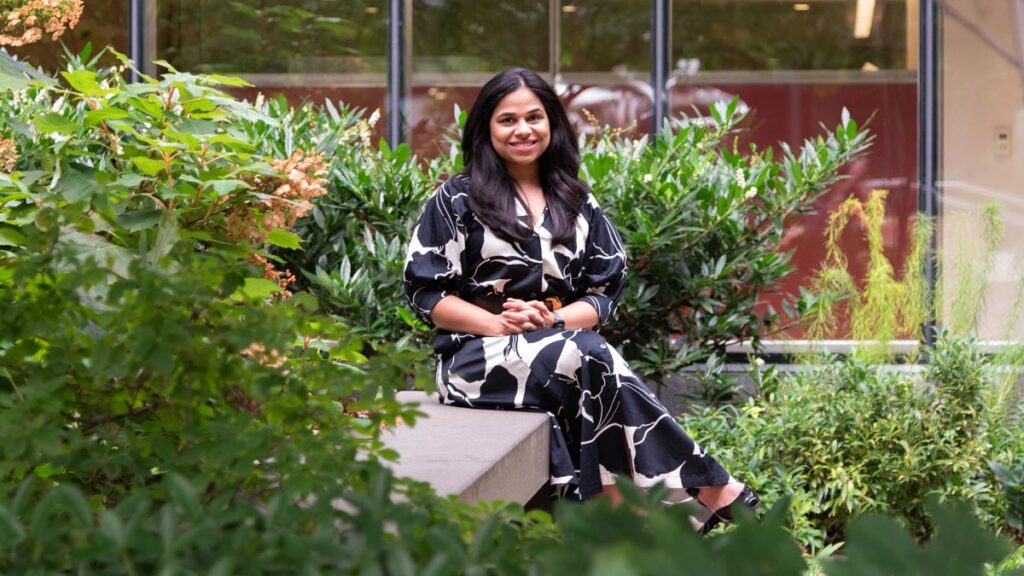
Lavanya Umapathy, postdoctoral fellow who develops representation learning models for medical imaging, talks about improving prostate-cancer screening and using artificial intelligence to approach “the person behind the images.”
Congratulations to Jungkyu Park on a successful defense of his doctoral dissertation in biomedical imaging and technology at NYU Grossman School of Medicine.