
Researchers at NYU Langone Health and scientists at Fermilab are exploring whether quantum computing can help bring about long envisioned quantitative MRI. Step one: teaching qubits (and qudits) to do the math.
Category: Research Brief
A closer look at what the scientists at the Center for Advanced Imaging Innovation and Research are working on.
Imaging researchers at NYU Langone have used deep learning to turn noise against itself in order to improve low-field MRI. They’re after something much bigger than sharper images.
Imaging scientists at NYU Langone have created an AI model that assesses MRI data during the exam to inform the remainder of the imaging session.
NYU Langone scientists propose MRI sodium separation method with potential to inform research on ion imbalances in neurological conditions.
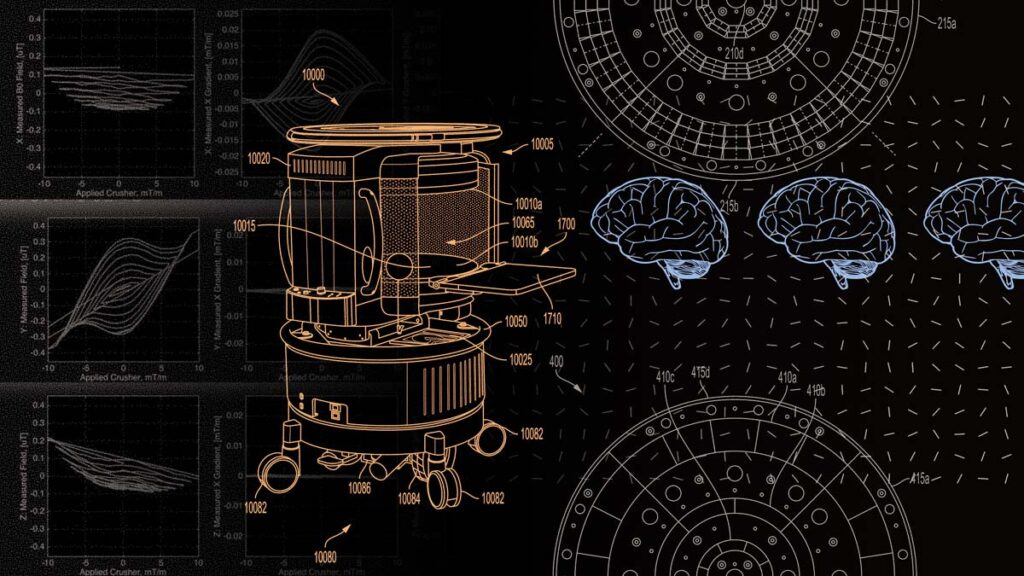
NYU Langone study finds ultra-low-field MRI and deep learning image processing tools accurate for brain volumetry research, recommends “TomoBrain.”
The fastMRI dataset now includes curated breast MRI data to boost AI innovation in radial, dynamic contrast-enhanced, ultrafast MRI of the breast.

Imaging researchers at NYU Langone Health are getting close to quantifying the dynamics of natural wrist motion, which are not well understood.

RF coil engineers at NYU Langone Health needed an interface compatible with a new industry standard, so they built one. Now NYU Langone is shipping the devices to other advanced MRI labs.
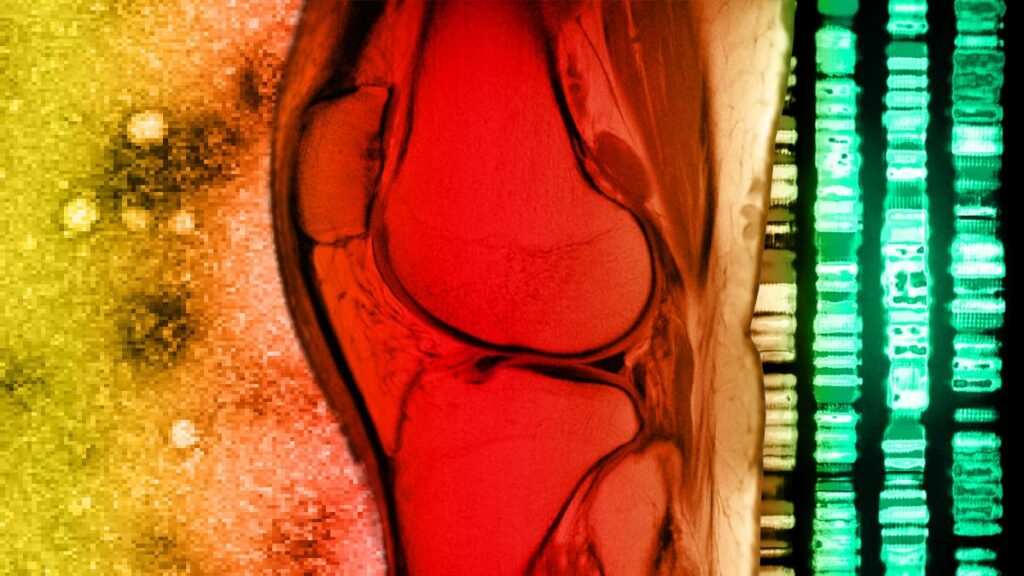
PTOA is affecting more people earlier but medicine cannot predict who. The National Institute of Arthritis and Musculoskeletal and Skin Diseases is funding NYU Grossman School of Medicine to create an advance warning.
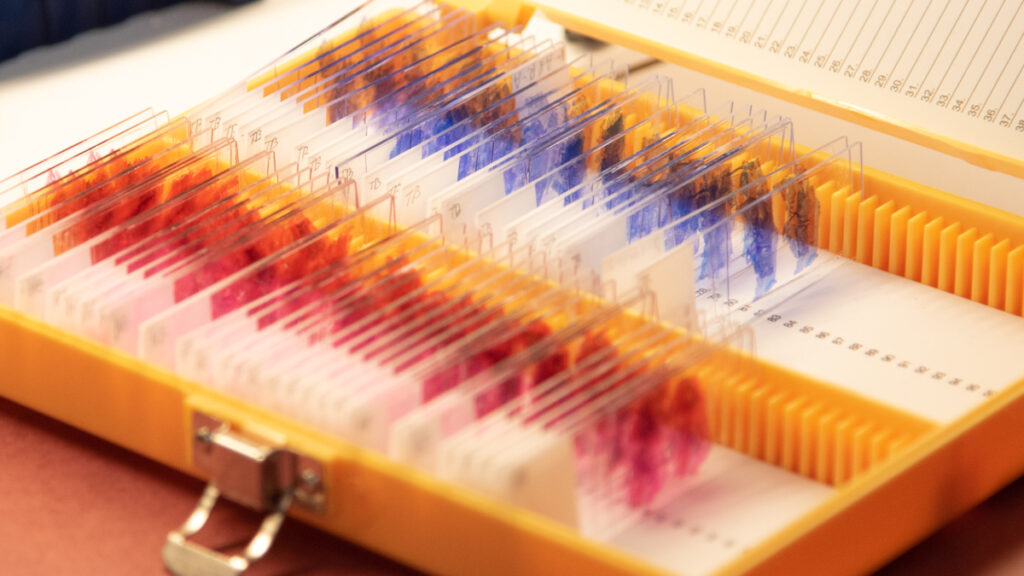
A team of scientists is using a battery of imaging methods to visualize cells, tissues, and joints in a quest for early noninvasive imaging biomarkers of PTOA.