
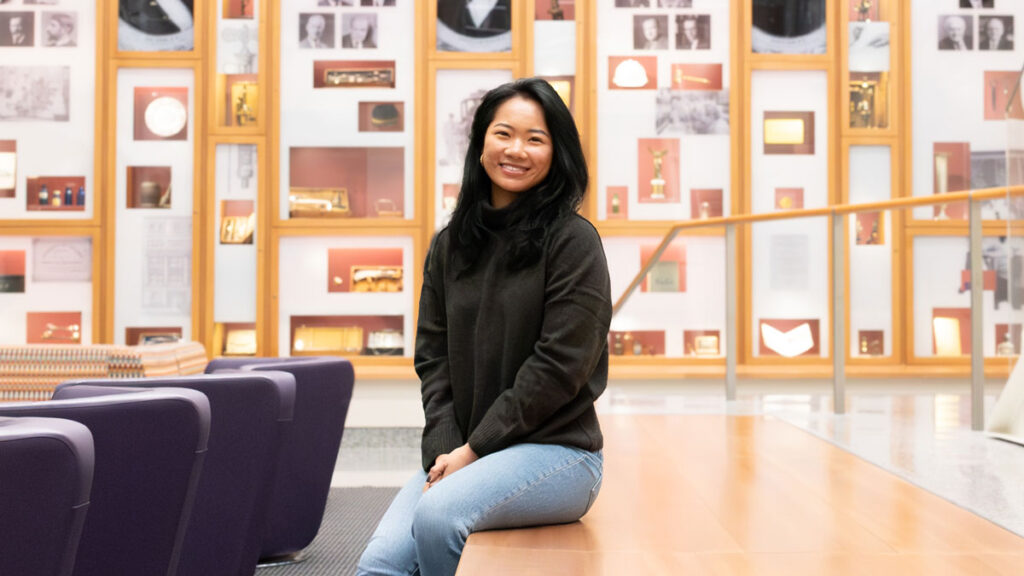
Congratulations to Anna Chen on a successful defense of her doctoral dissertation in biomedical imaging and technology at NYU Grossman School of Medicine.
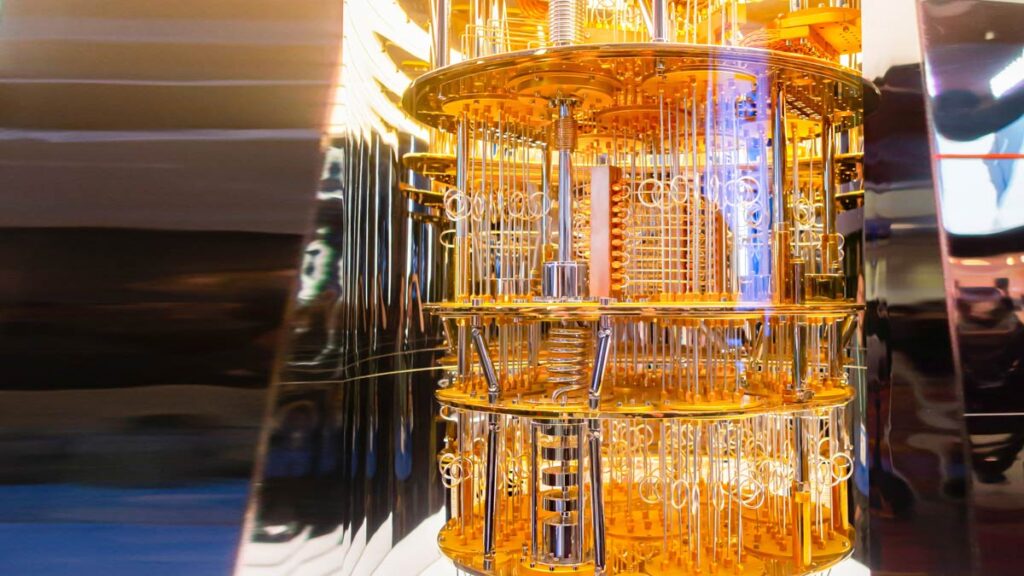
MRI researchers at NYU Langone and colleagues propose a quantum approach to fixed-point arithmetic for ordinary differential equations.
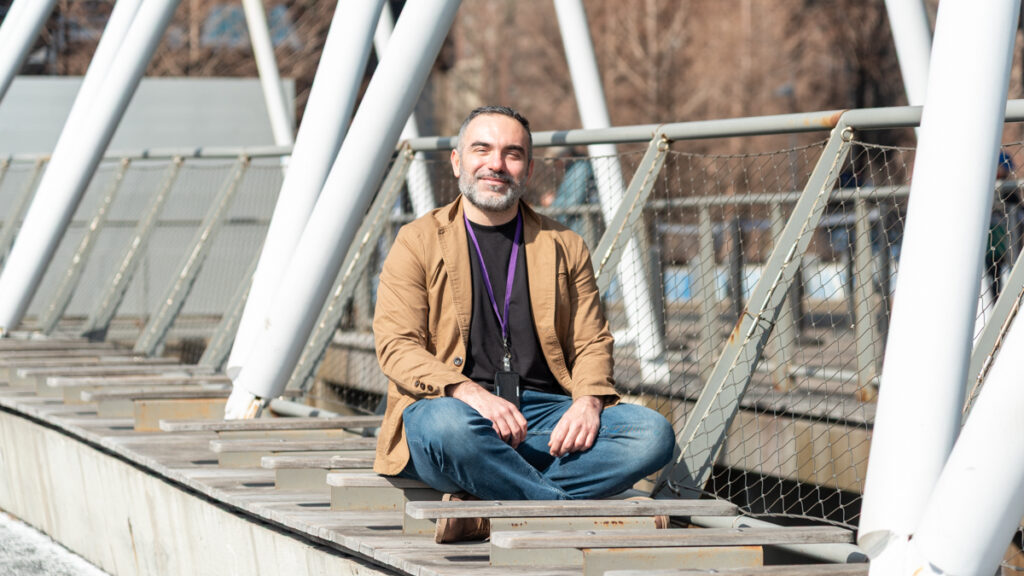
Eros Montin, research scientist who develops MRI simulation software and investigates radiomics, talks about building a virtual scanner, using orthogonal information, and what he thinks about while walking down the street.
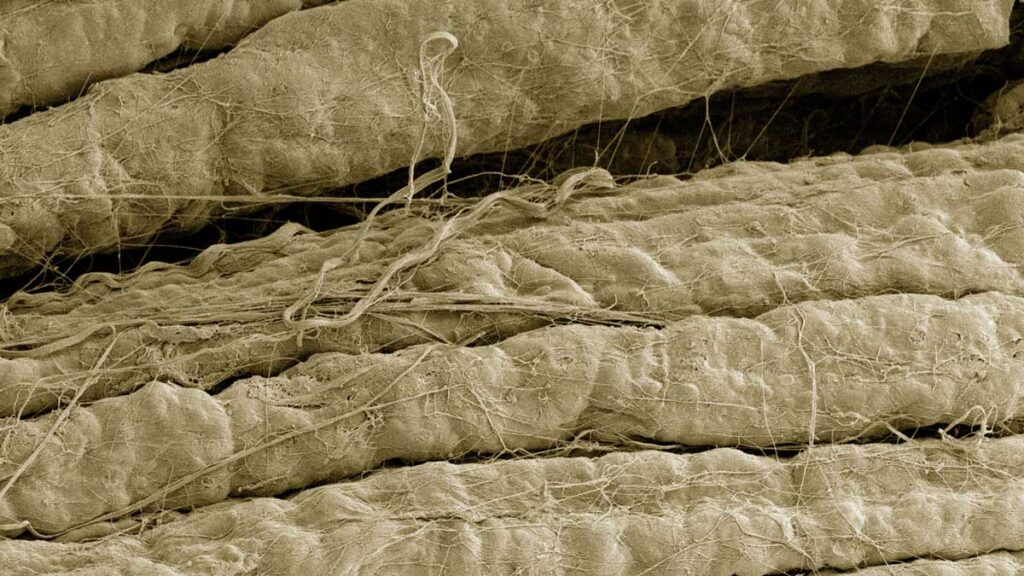
New research refines the understanding of myelination in conditions that include bipolar disorder and schizophrenia.
The fastMRI dataset now includes curated breast MRI data to boost AI innovation in radial, dynamic contrast-enhanced, ultrafast MRI of the breast.

Yu Veronica Sui, postdoctoral fellow who investigates neuropsychiatric conditions and the brain, talks about grey-matter myelin, developing expertise in MRI, and how psychology led her to imaging.
With the help of an AI tool, CT scans taken to look for tumors or bleeding or infections, also revealed calcium buildup in arteries, a sign of worsening cardiovascular disease.
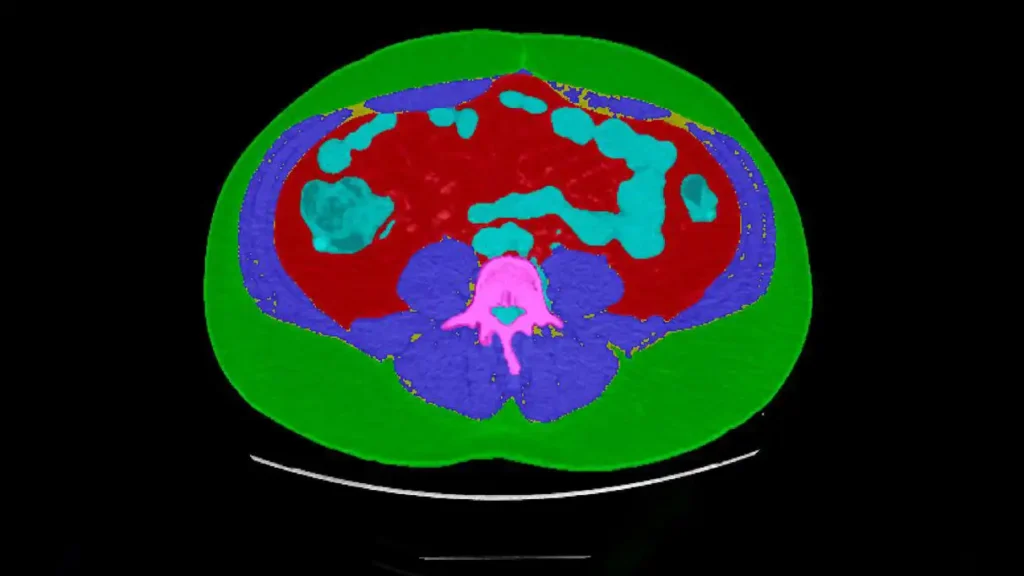
Opportunistic imaging—analyzing radiology exam data for markers of conditions not directly related to reasons for the exam—has the potential for find early signs of deteriorating health and enable early interventions.

Since 2014, the Center for Advanced Imaging Innovation and Research has been in the lead of technological shifts in magnetic resonance imaging. An award from the National Institutes of Health is extending the center’s mandate for a third five-year term.

Yulin Ge, imaging researcher at NYU Langone, originally trained to be a radiologist. A fascination with MRI has led him to pursue science that illuminates aspects of neurological health, disease, and aging.