Scientists combine particle physics and neuroscience to visualize a key element of the nervous system.
Categories
 Center for Advanced Imaging Innovation and Research
Scientists combine particle physics and neuroscience to visualize a key element of the nervous system.
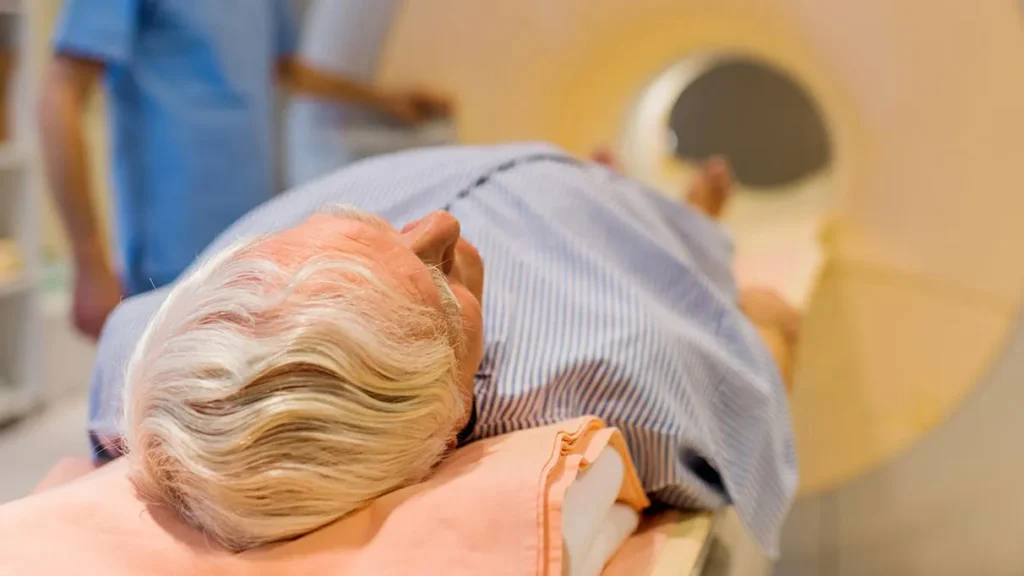
Study finds MRI reduces the number of biopsies and detects more clinically significant cancers.
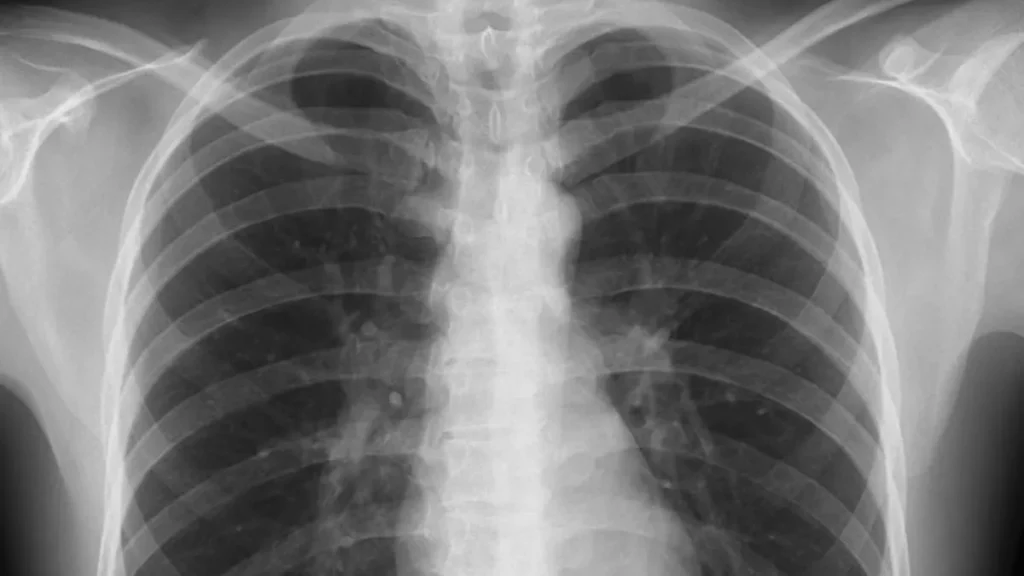
Trained to see patterns by analyzing thousands of chest X-rays, a computer program predicted with up to 80 percent accuracy which patients with COVID-19 would develop life-threatening complications within 4 days, a new study finds.

NYU Langone researchers won a deep learning challenge to detect lesions in digital breast tomosynthesis (DBT) images. We discuss the obstacles that DBT poses to deep learning and look at how our team navigated them.

Hong Hsi Lee, alumnus of the Biomedical Imaging & Technology PhD Program at NYU Grossman School of Medicine, has just completed postdoctoral training at our Center and is headed to a postdoctoral fellowship at Massachusetts General Hospital. We take a look at his journey.

An interest in machine learning in medicine sparked by a college project has taken Vatsal Sodha from Gujarat to Arizona to a bicoastal telecommute.
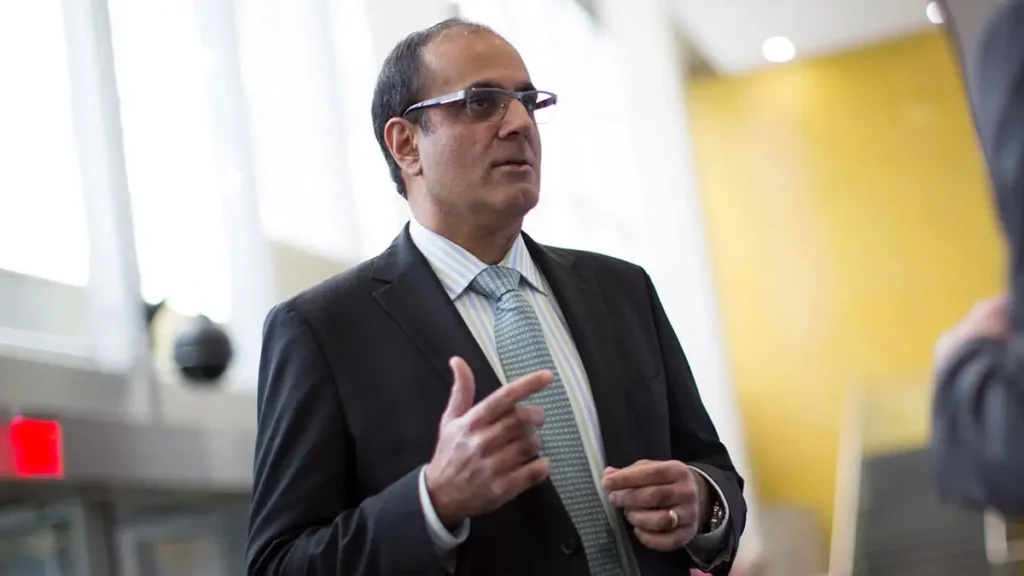
Pre-biopsy MRI may help avoid overtreating low-grade cancer.
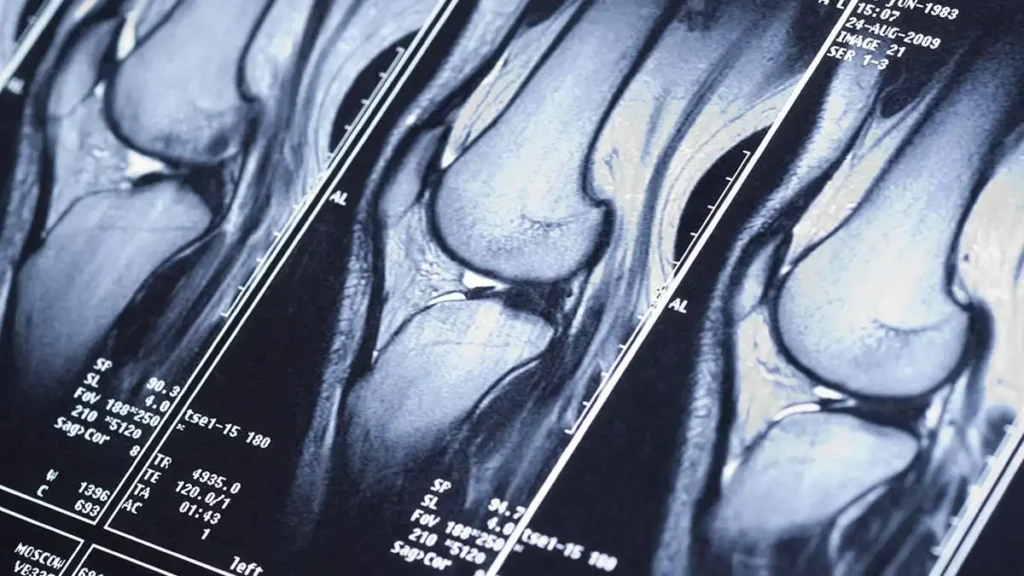
The results could significantly improve the patient experience, expand access to MRIs, and potentially enable new use cases for MRI.
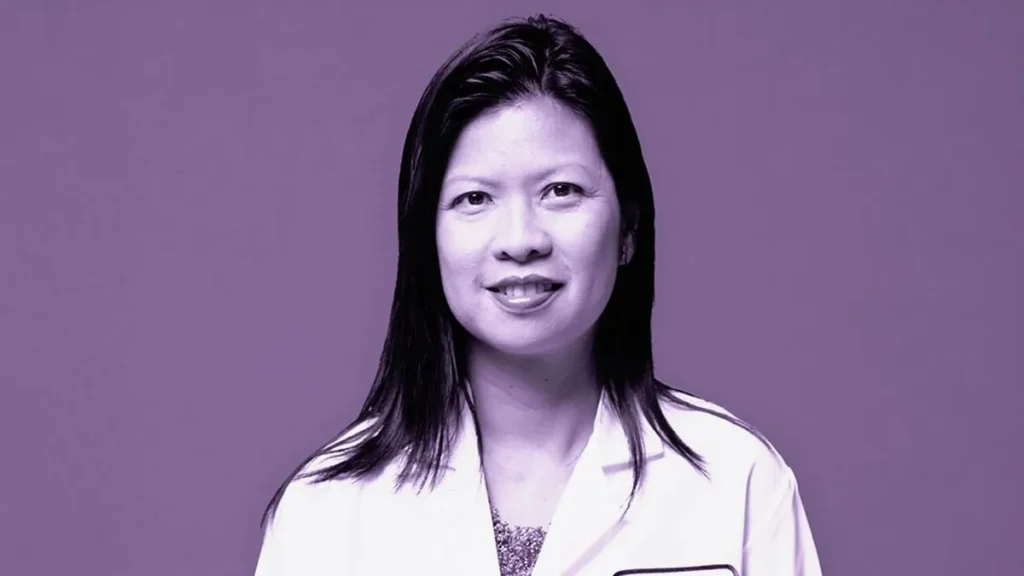
A look at how Linda Moy, MD, professor of radiology at NYU Langone Health is working with colleagues at NYU Center for Data Science on AI approaches to improve breast cancer screening.

Scientists at NYU Langone Health show that MRI signal can detect axonal features long assumed to lie beyond the reach of magnetic resonance imaging.