

RF coil engineers at NYU Langone Health needed an interface compatible with a new industry standard, so they built one. Now NYU Langone is shipping the devices to other advanced MRI labs.
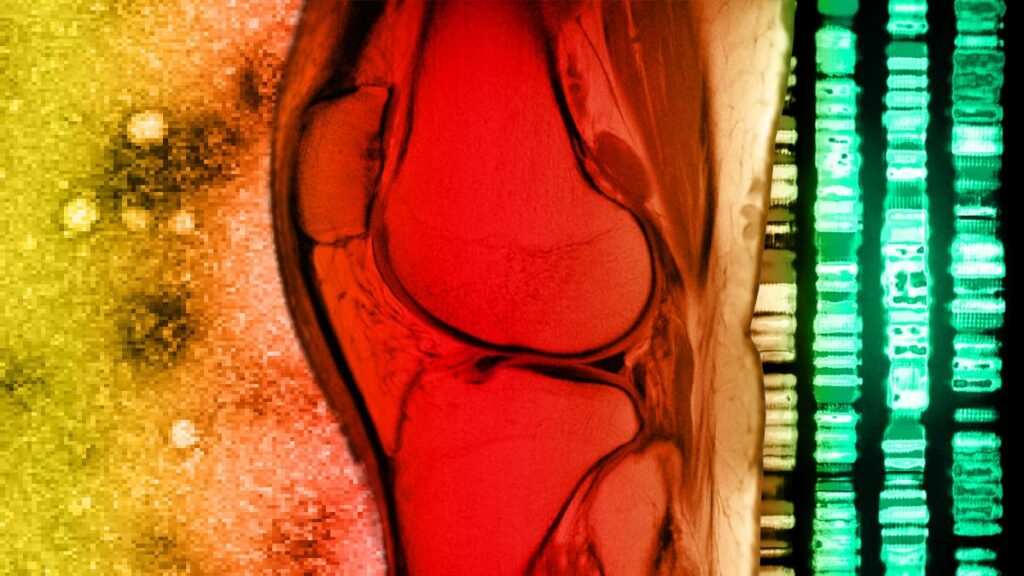
PTOA is affecting more people earlier but medicine cannot predict who. The National Institute of Arthritis and Musculoskeletal and Skin Diseases is funding NYU Grossman School of Medicine to create an advance warning.
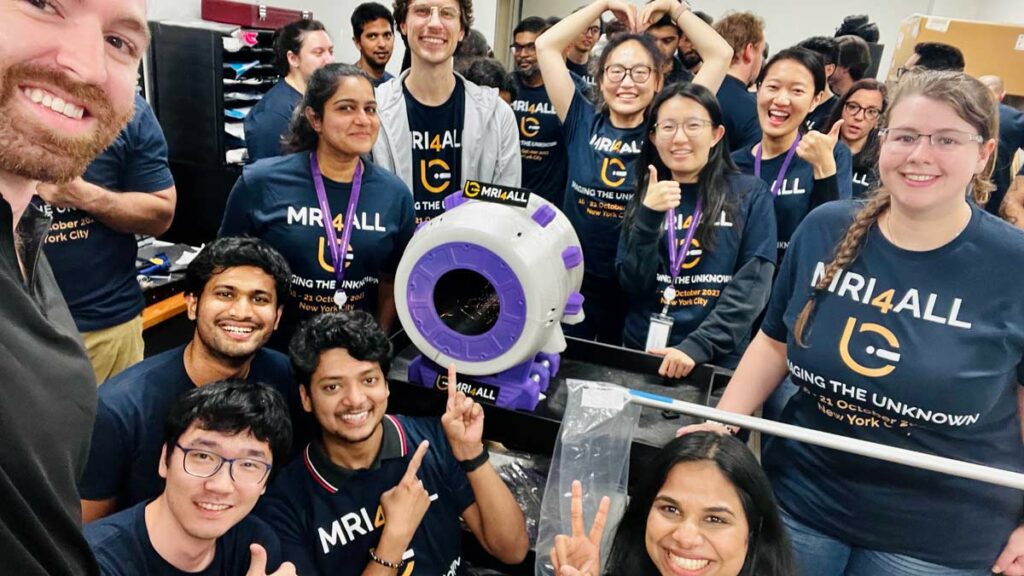
How a moonshot effort to build an open-source MRI scanner from scratch in less than a week played out, and what it means for imaging research at large.
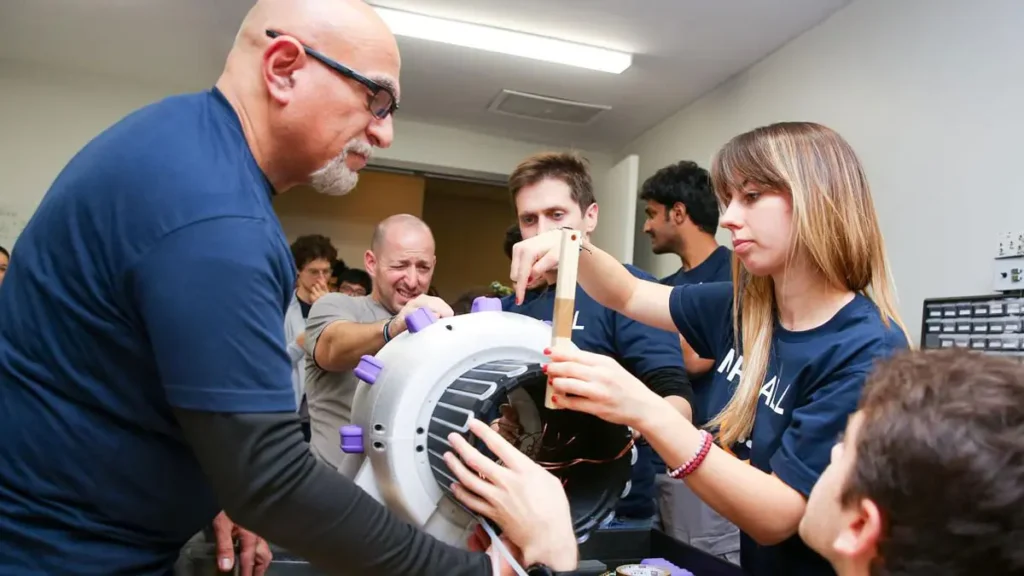
A team of researchers convened at NYU Langone over four days to build a functional MRI machine from scratch, laying the groundwork for making educational and research MRI more accessible.

In a return from a pandemic hiatus, the i2i Workshop encouraged a broad and varied look at what imaging is and where it’s headed.

Ilias Giannakopoulos, postdoctoral fellow in MRI, talks about how electromagnetic waves interact with the body, why matrix compression matters, and where he finds inspiration.
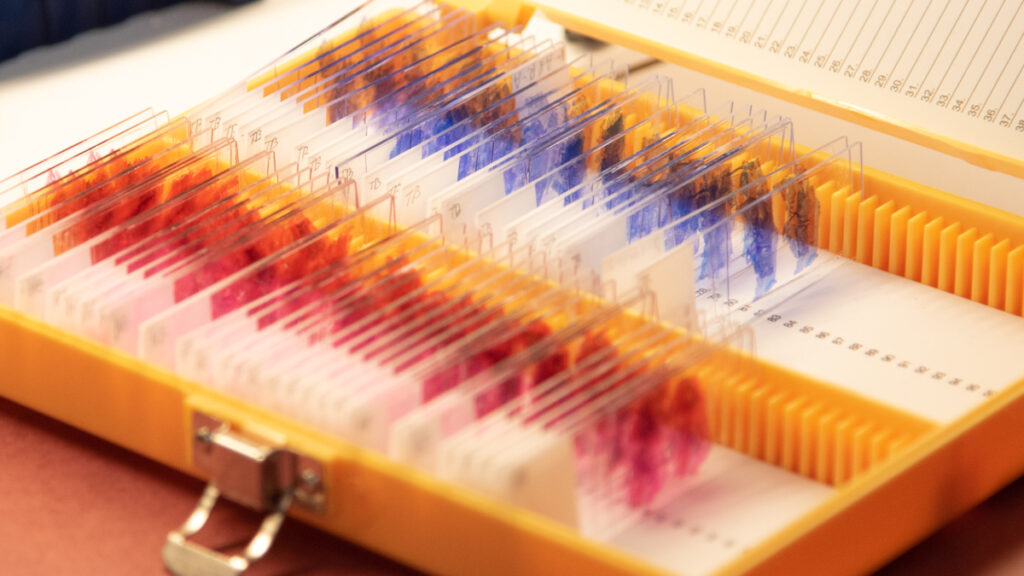
A team of scientists is using a battery of imaging methods to visualize cells, tissues, and joints in a quest for early noninvasive imaging biomarkers of PTOA.
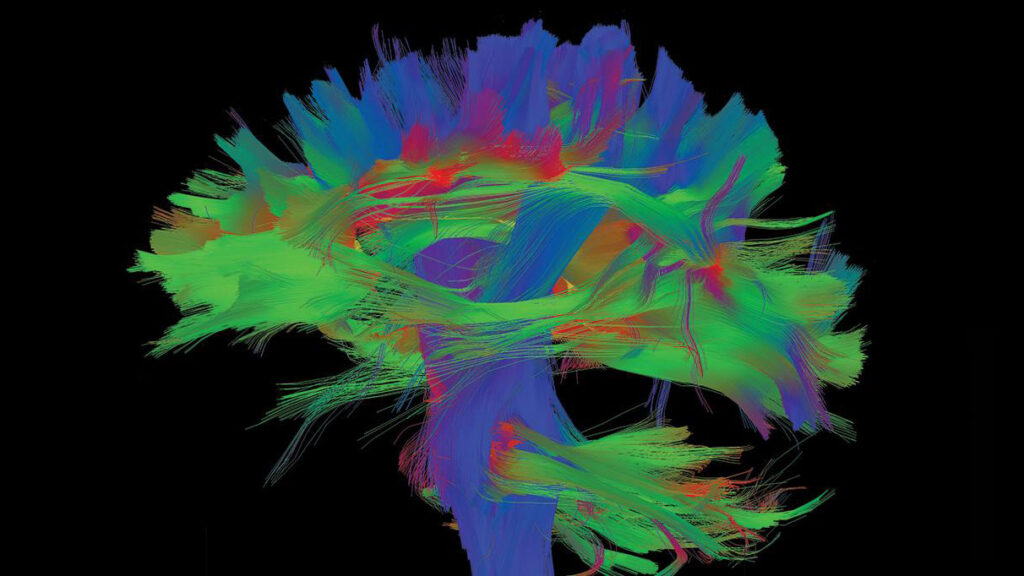
AI analysis of MRI data can accurately identify changes that result from repeated head injury, with potential to help illuminate how subtle brain injuries accumulate over time.
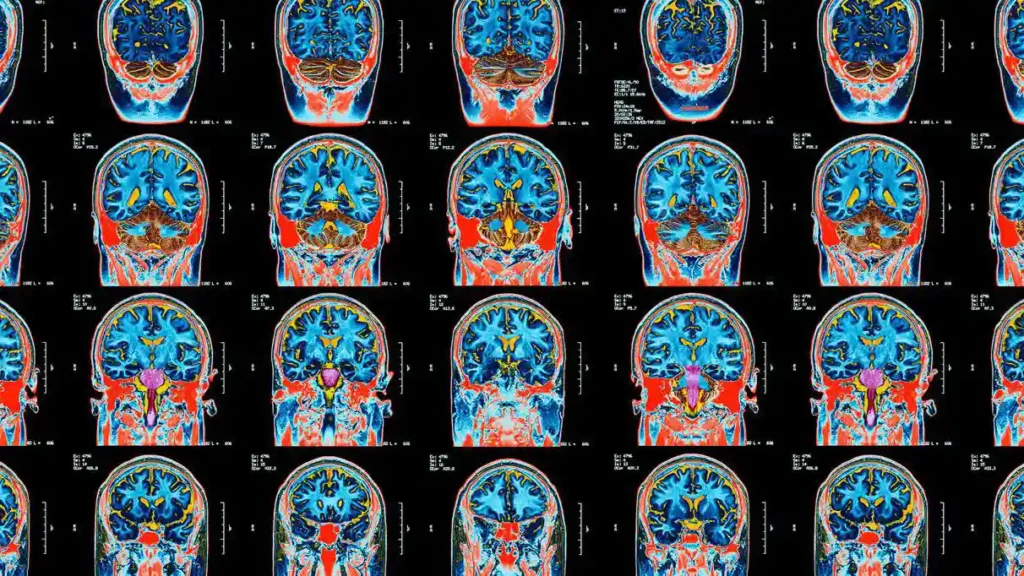
An interdepartmental collaboration at NYU Langone creates a vast shared repository of MR images to help advance the scientific understanding of metastatic brain cancer.

Radhika Tibrewala, graduate student in biomedical imaging, talks about the new fastMRI prostate dataset, deep learning in MRI, and how she started a PhD remotely in 2020.