

Metrics of image quality show that abnormalities—including pathologies—deteriorate more than do normal-appearing areas on brain MRIs reconstructed with deep learning models at acceleration factors of six and up.
Diffusion-weighted imaging helps gauge risk of prostate cancer but is marred by anatomical distortions, low image quality, and long scan time. The NIH is funding a postdoc-led project at NYU Grossman School of Medicine to clear things up.

In NYU Langone’s first DREAMx Challenge, teams developed and tested AI algorithms designed to predict genetic risk for breast cancer, coronary artery disease, and type 2 diabetes years before symptoms appear.

Linda Moy, radiologist and researcher whose work spans breast imaging and artificial intelligence, talks about patient-centric radiology, AI systems in clinical practice, and the field’s rising environmental awareness.
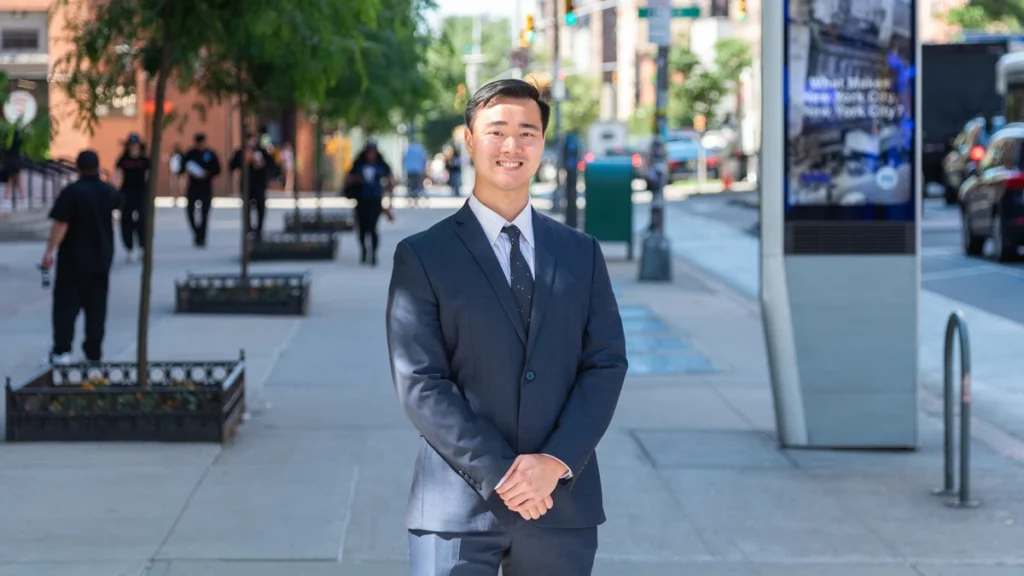
Congratulations to Peter Hsu on a successful defense of his doctoral dissertation in biomedical imaging and technology at NYU Grossman School of Medicine.

Congratulations to Linda Moy on becoming the 2026–2027 vice president–elect of the International Society for Magnetic Resonance in Medicine.
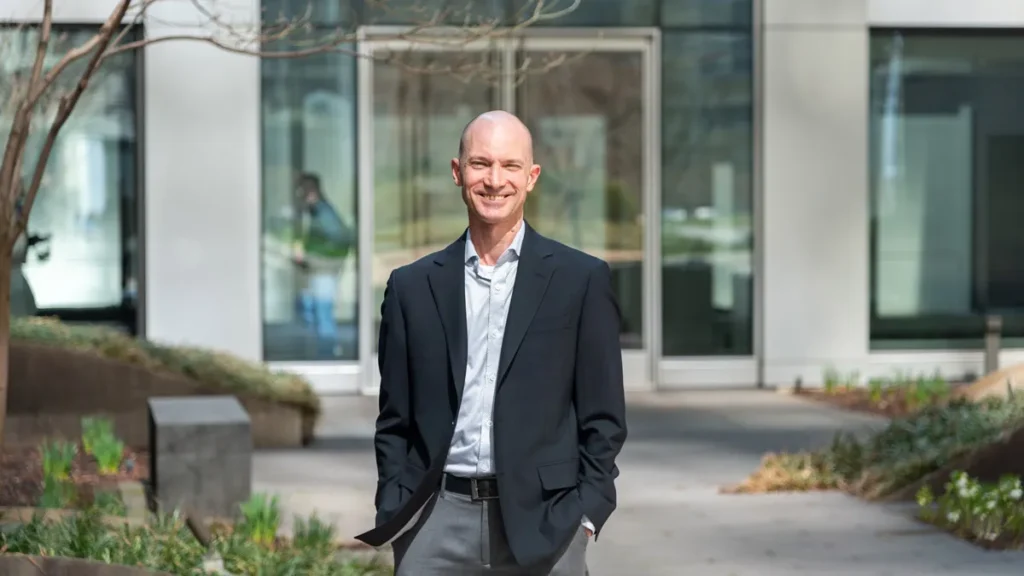
Eric Sigmund, scientist who advances methods for MRI of diffusion and flow, talks about intravoxel incoherent motion, developing standards for a growing field, and why his lab is about to start spinning sugar.

Congratulations to Riccardo Lattanzi on being named among the 2026 fellows of the International Society for Magnetic Resonance in Medicine.

A new technique called Transcranial Radio Frequency Stimulation is capable of neuromodulation, show NYU Langone’s neuroscience and radiology researchers.
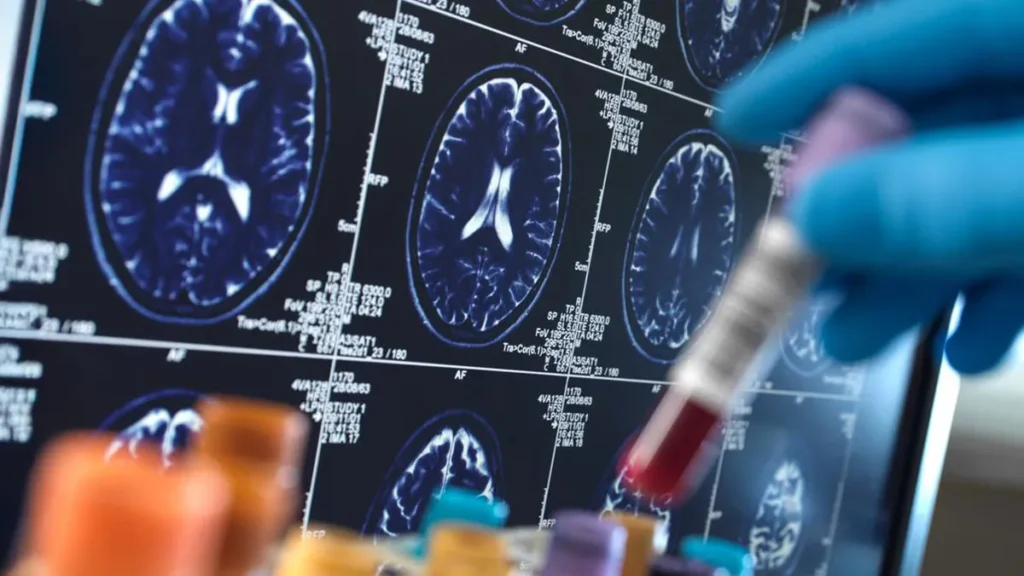
The two diseases cause damage in some of the same ways.