
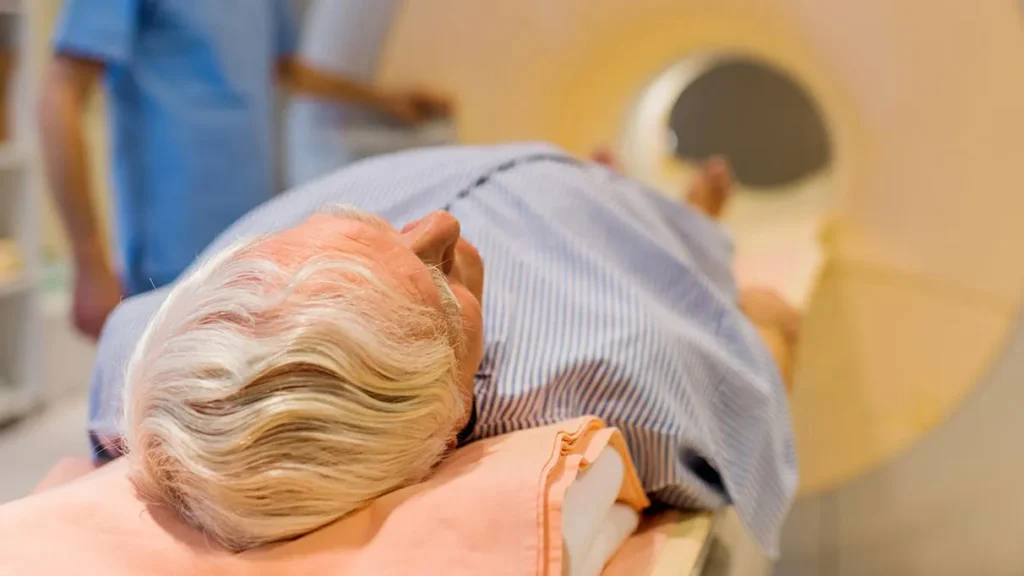
Study finds MRI reduces the number of biopsies and detects more clinically significant cancers.
Category: Via NYU Langone Health NewsHub
News about imaging advances and imaging-enabled research from NYU Langone Health NewsHub.
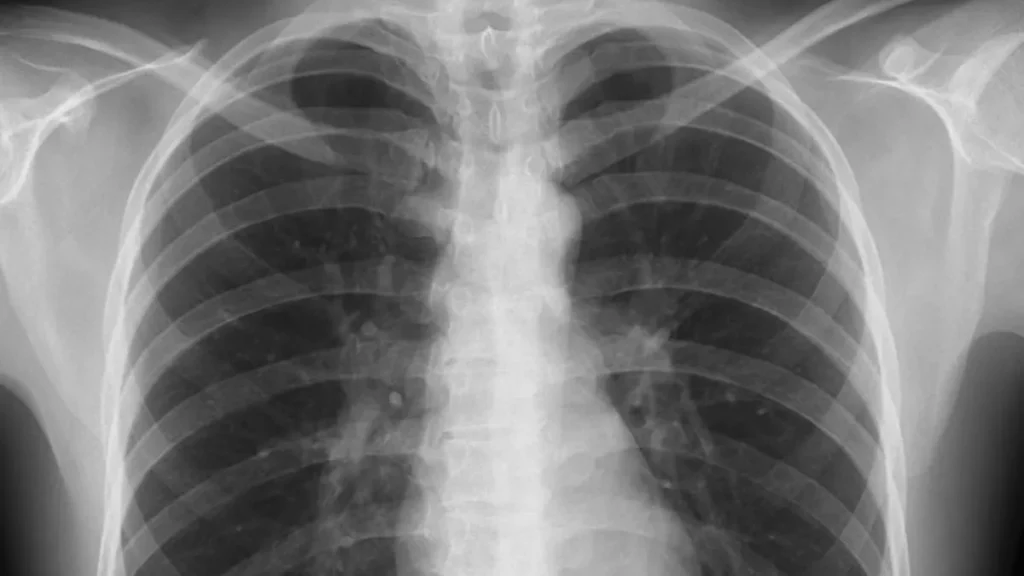
Trained to see patterns by analyzing thousands of chest X-rays, a computer program predicted with up to 80 percent accuracy which patients with COVID-19 would develop life-threatening complications within 4 days, a new study finds.

Pre-biopsy MRI may help avoid overtreating low-grade cancer.
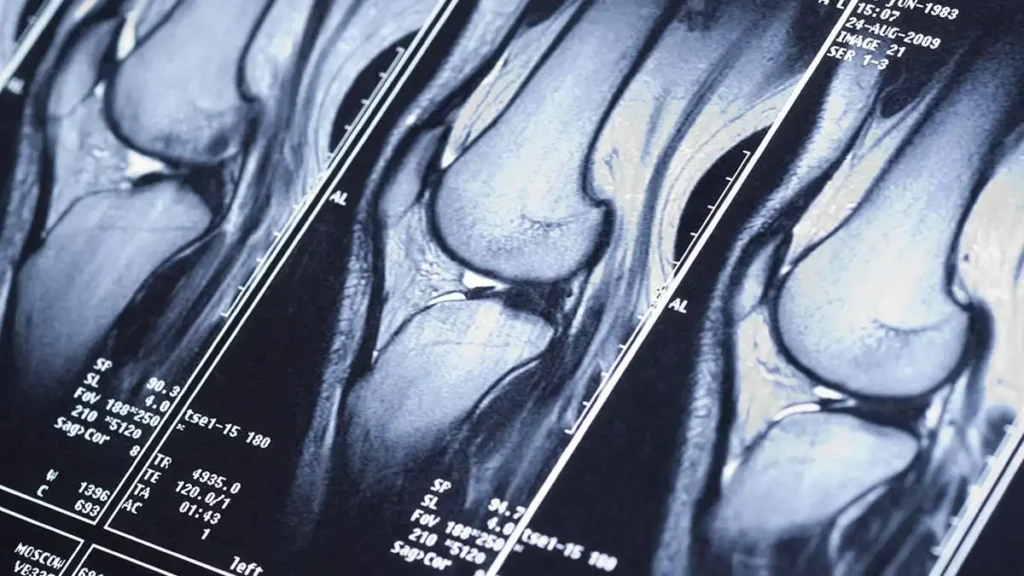
The results could significantly improve the patient experience, expand access to MRIs, and potentially enable new use cases for MRI.
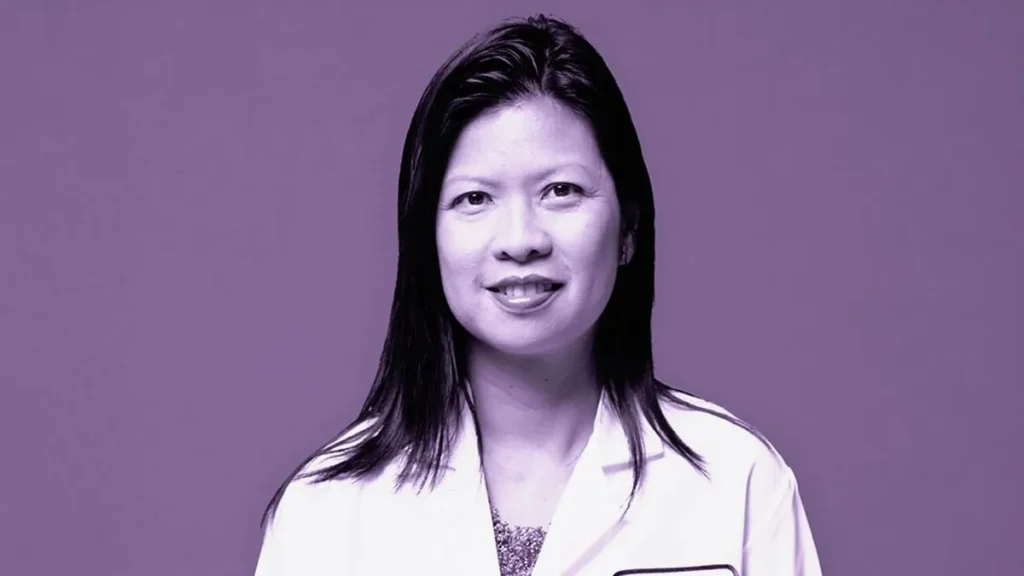
A look at how Linda Moy, MD, professor of radiology at NYU Langone Health is working with colleagues at NYU Center for Data Science on AI approaches to improve breast cancer screening.
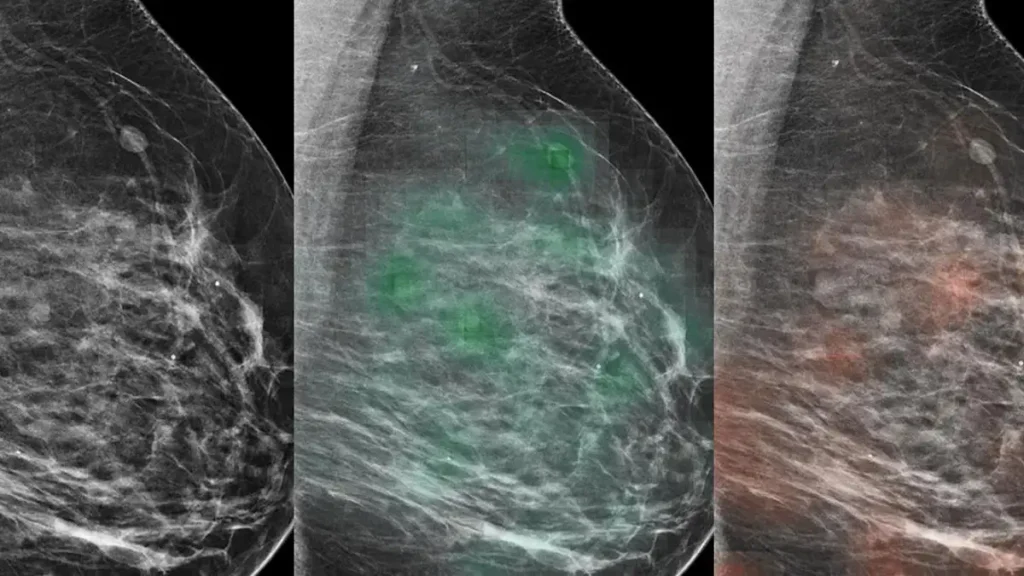
An AI tool trained on roughly a million screening mammography images identified breast cancer with approximately 90 percent accuracy when combined with analysis by radiologists, a new study finds.
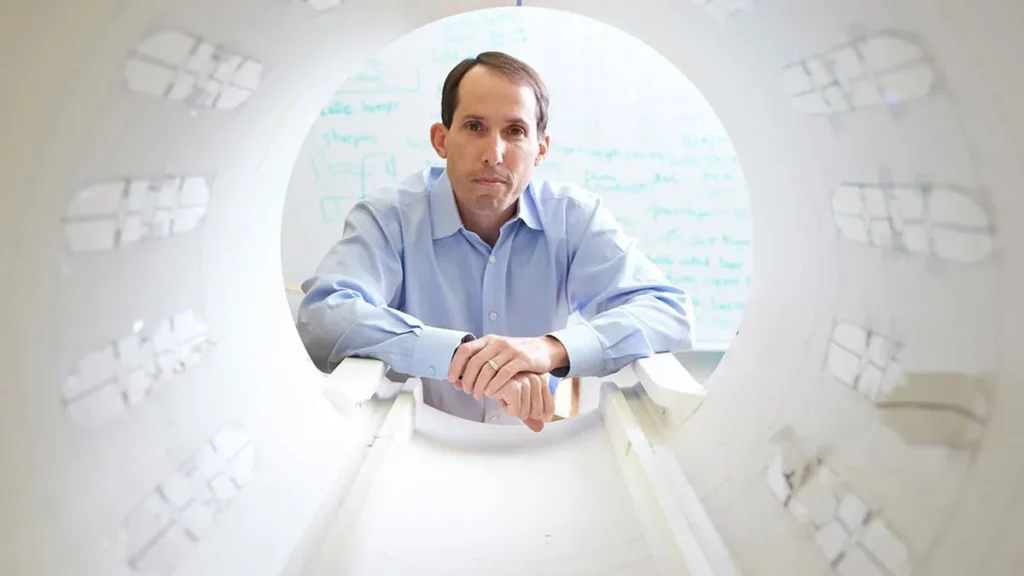
Imaging scientist Daniel Sodickson is collaborating with Facebook to make magnetic resonance imaging less burdensome for claustrophobic patients.
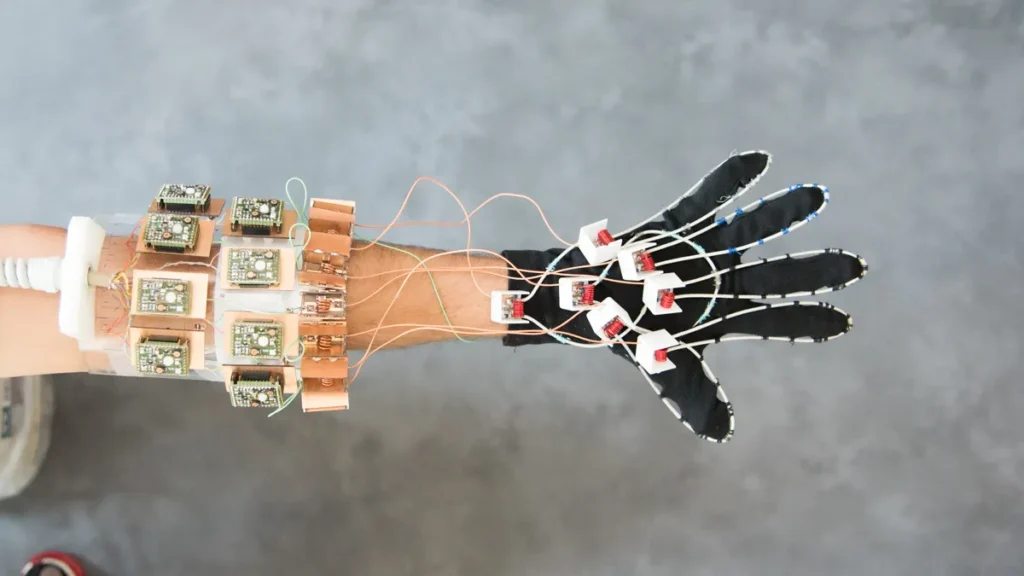
A new kind of MRI component in the shape of a glove delivers the first clear images of bones, tendons, and ligaments moving together, a new study finds.