
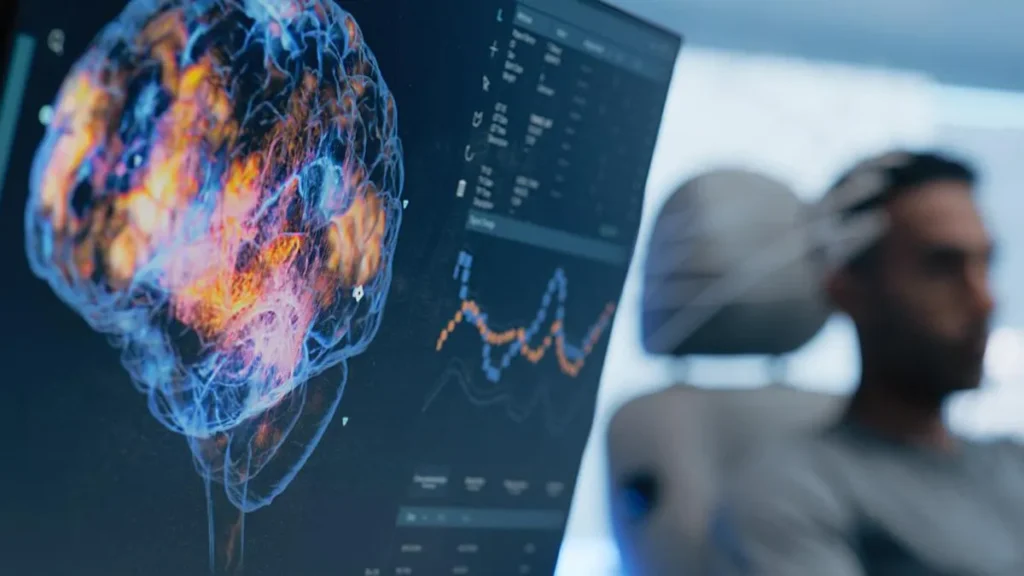
A new technique called Transcranial Radio Frequency Stimulation is capable of neuromodulation, show NYU Langone’s neuroscience and radiology researchers.
Category: Via NYU Langone Health NewsHub
News about imaging advances and imaging-enabled research from NYU Langone Health NewsHub.
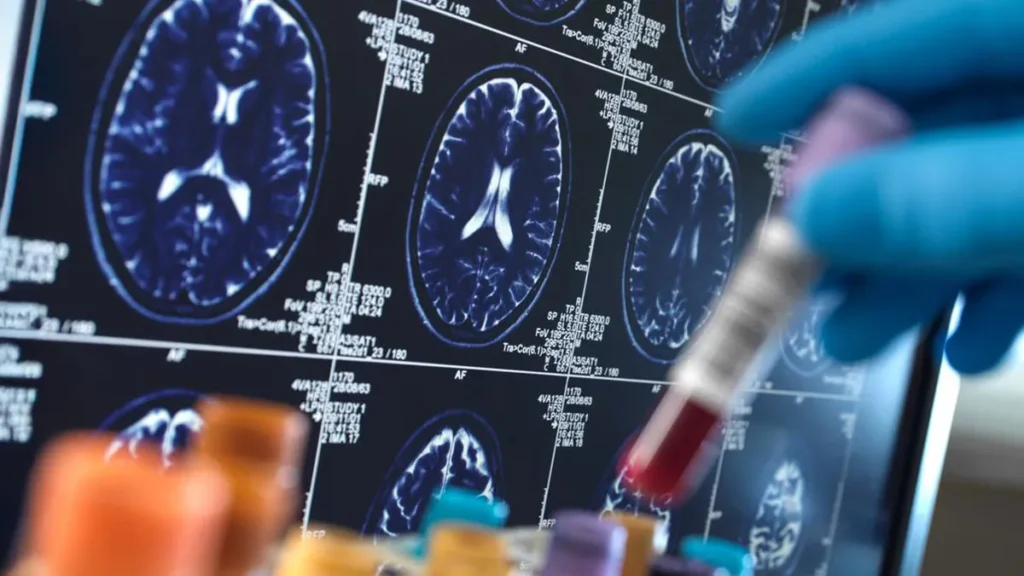
The two diseases cause damage in some of the same ways.
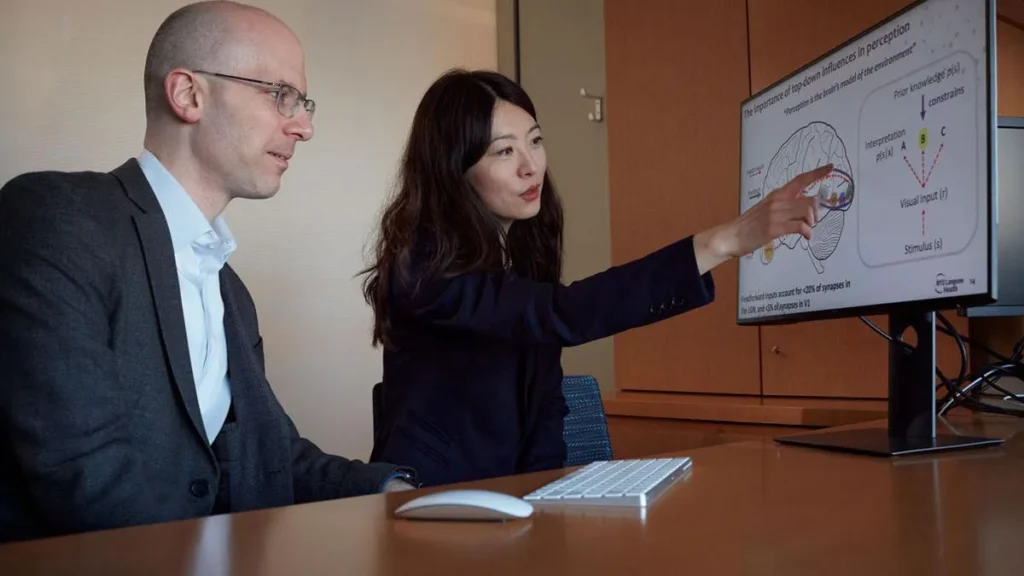
A new study, led by researchers at NYU Langone Health, addresses the moments when we first recognize a blurry object, a primal ability that enabled our ancestors to avoid threats.
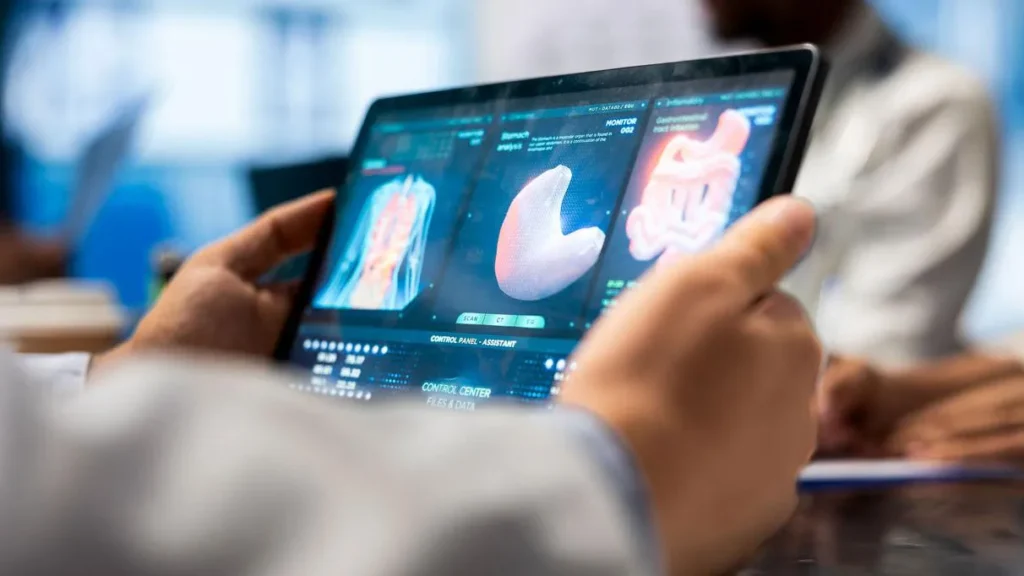
Computed tomography (CT) scans of the chest, abdomen, and spine, taken originally to detect problems such as kidney stones or growths on the lungs, can be repurposed through artificial intelligence (AI) to catch signs of bone loss, a new study shows.
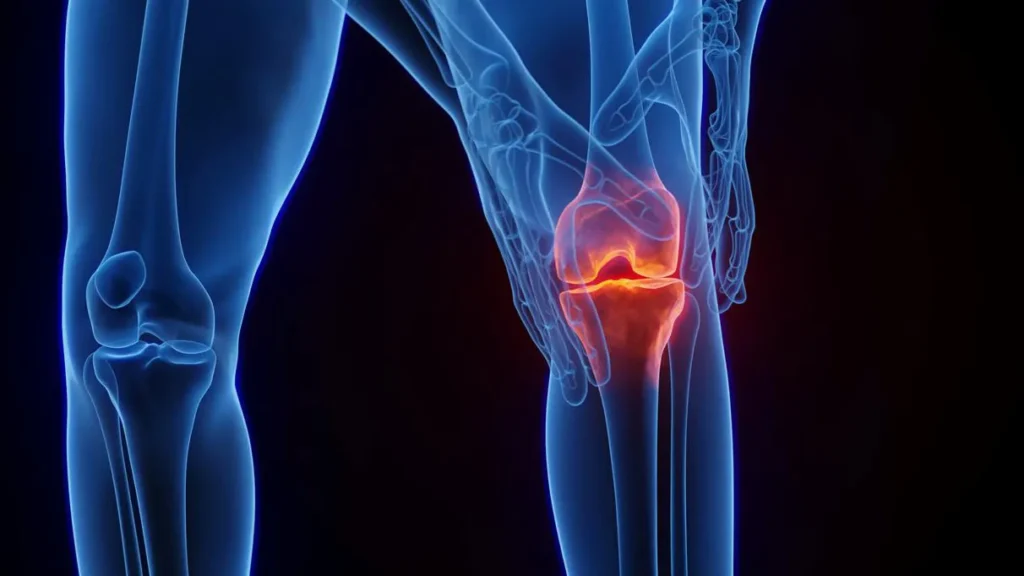
A procedure that can be performed under mild sedation in less than two hours by an interventional radiologist relieves chronic knee pain caused by osteoarthritis, an NYU Langone Health study shows.

Gait analysis and pain measures show that subtly adjusting the angle of the foot during walking may reduce knee pain caused by osteoarthritis and slow disease progression.
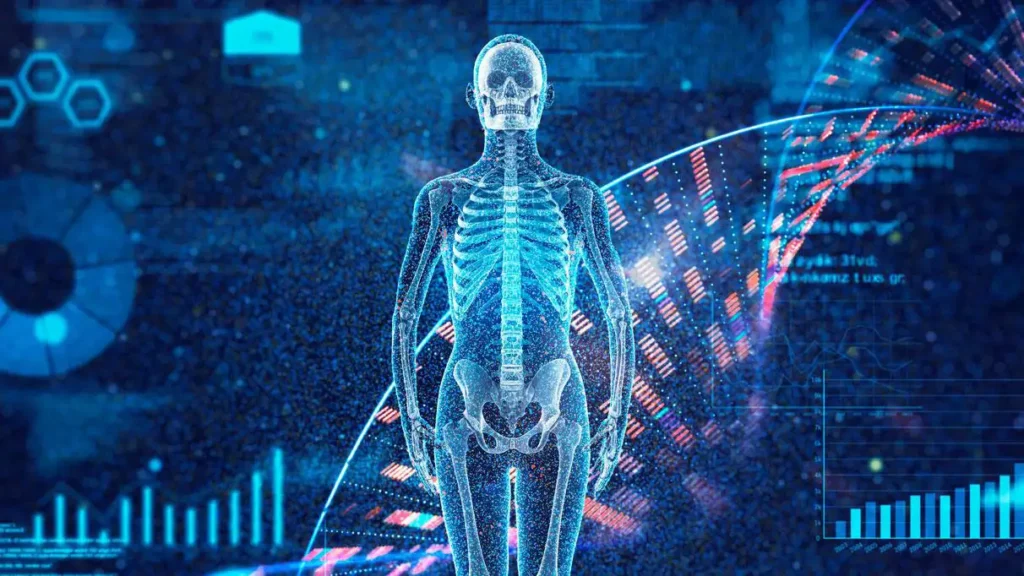
With the help of an AI tool, CT scans taken to look for tumors or bleeding or infections, also revealed calcium buildup in arteries, a sign of worsening cardiovascular disease.
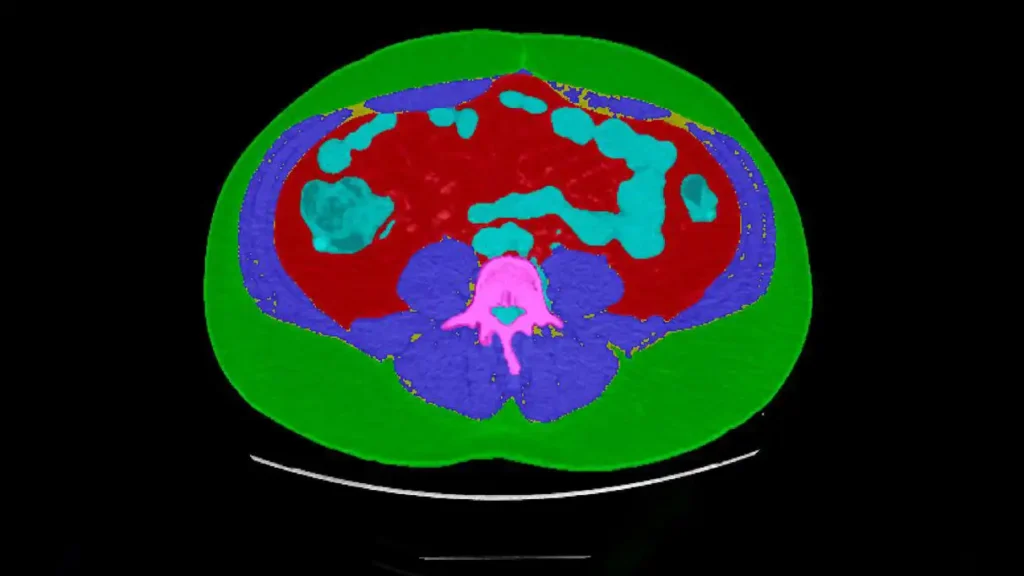
Opportunistic imaging—analyzing radiology exam data for markers of conditions not directly related to reasons for the exam—has the potential for find early signs of deteriorating health and enable early interventions.

A study published in JAMA reports on the eye’s functioning, without sight but offering hope for the future.
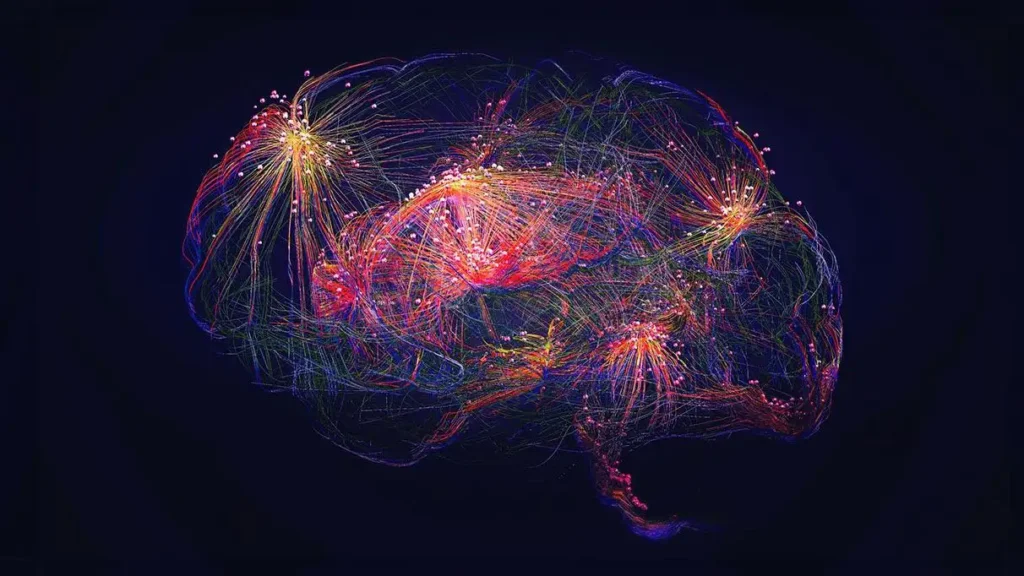
Findings highlight need for diversity in neurological and psychiatric research.